All Floors Scratch
Summary
- No floor is scratch-proof. Hardwood, engineered, vinyl, laminate, and even tile all show wear.
- The goal is a floor that hides everyday wear, not one that never scratches.
- Pronounced grain (oak, ash, hickory) disguises scratches better than smooth grain (maple, birch, cherry).
- Character grades and natural color variation give scratches somewhere to blend in.
- Mid-tone colors are the most forgiving. Very dark and very light floors show more.
- Gloss matters most. Matte and low-sheen finishes hide wear far better than high gloss.
How species, grade, color, and gloss decide which scratches you actually see
One of the most common questions we hear from homeowners is:
"Which floor won't scratch?"
The honest answer is simple: all floors scratch.
While there are significant differences in flooring quality from one manufacturer to another, and some products feature more durable finishes than others, no flooring material is completely immune to scratches, scuffs, and surface abrasions. Hardwood, luxury vinyl, laminate, engineered wood, and even tile can show signs of wear under the right conditions.
The goal isn't to find a floor that will never scratch. The goal is to choose a floor that will minimize the appearance of everyday wear.
Not All Scratches Are Created Equal
The visibility of scratches depends on much more than the durability of the finish. In many cases, two floors with similar scratch resistance can look dramatically different after years of use.
Several factors influence how noticeable scratches become:
Wood Species
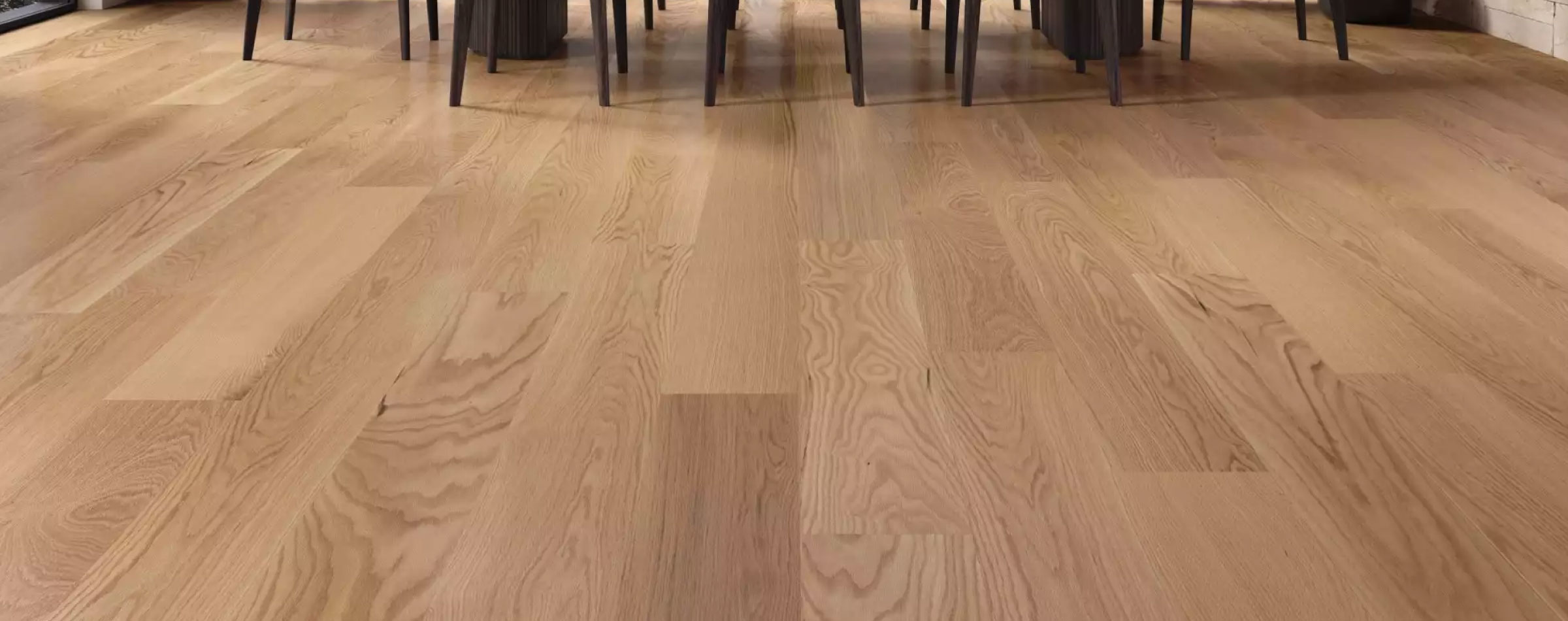
Different wood species have different grain patterns and hardness levels. Species with pronounced grain and natural character, such as oak, ash, and hickory, tend to help disguise minor scratches and everyday wear. Uniform, smooth-grained species, such as maple, birch, and cherry, may show imperfections more readily.
Grade and Character
Floors with more natural variation (Common or 2nd Grade), knots, color changes, and character marks often do a better job hiding inevitable wear and tear. A floor with a highly uniform appearance (Select or 1st Grade) leaves fewer places for scratches to blend in.
Color Matters
Color is one of the biggest factors in scratch visibility.
Very dark floors often highlight dust, scratches, and surface abrasions because of the contrast created on the surface.
Likewise, very light floors can sometimes reveal dirt and wear patterns depending on the finish.
Mid-tone colors and floors with natural color variation tend to be the most forgiving.
Gloss Level
Perhaps the biggest factor of all is gloss.
High-gloss finishes reflect light like a mirror. While beautiful when new, they tend to highlight every scratch, footprint, and surface abrasion.
Matte and low-sheen finishes scatter light rather than reflect it directly, making everyday wear far less noticeable. This is one of the reasons matte finishes have become increasingly popular among homeowners seeking a floor that looks great for years.
Setting Realistic Expectations
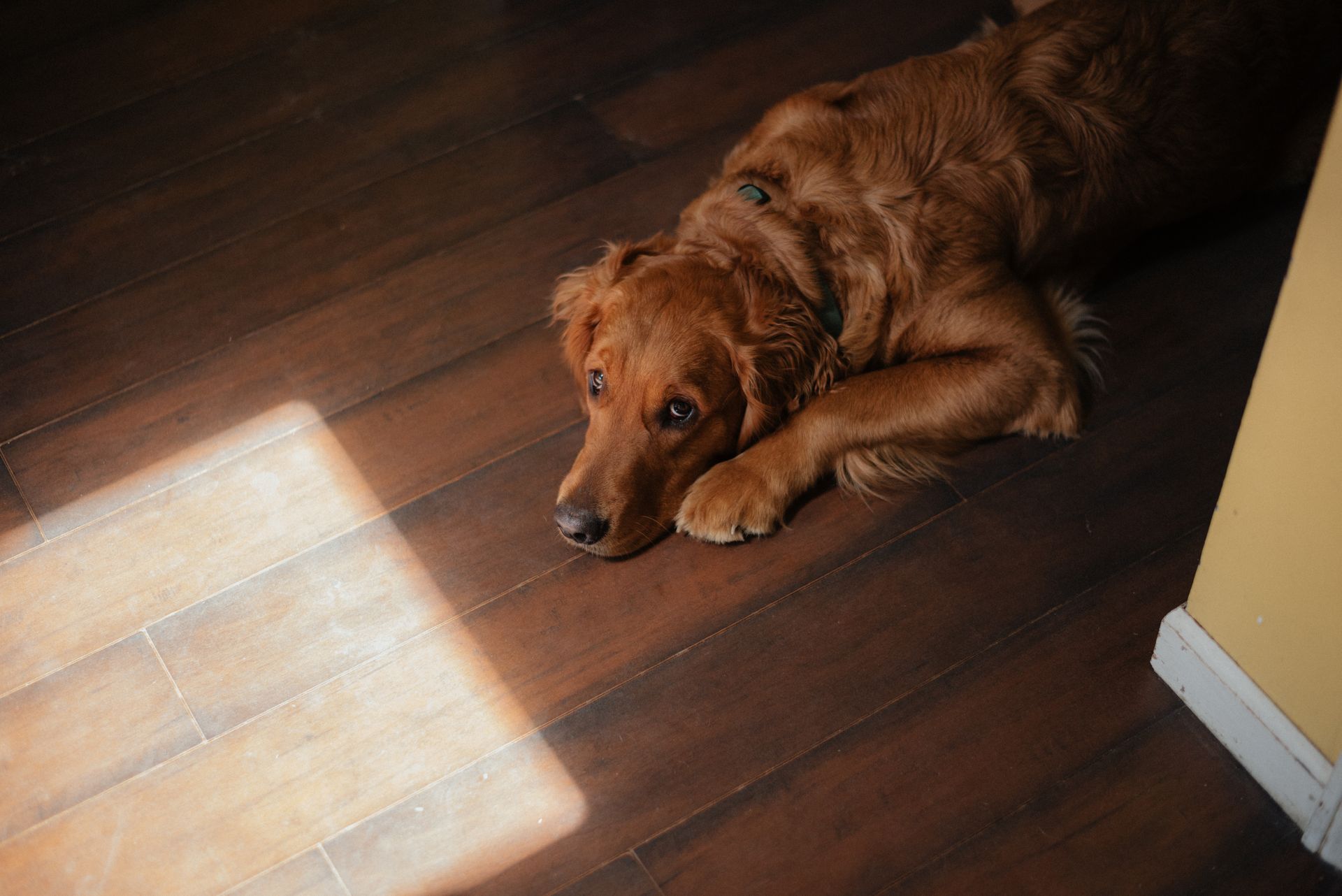
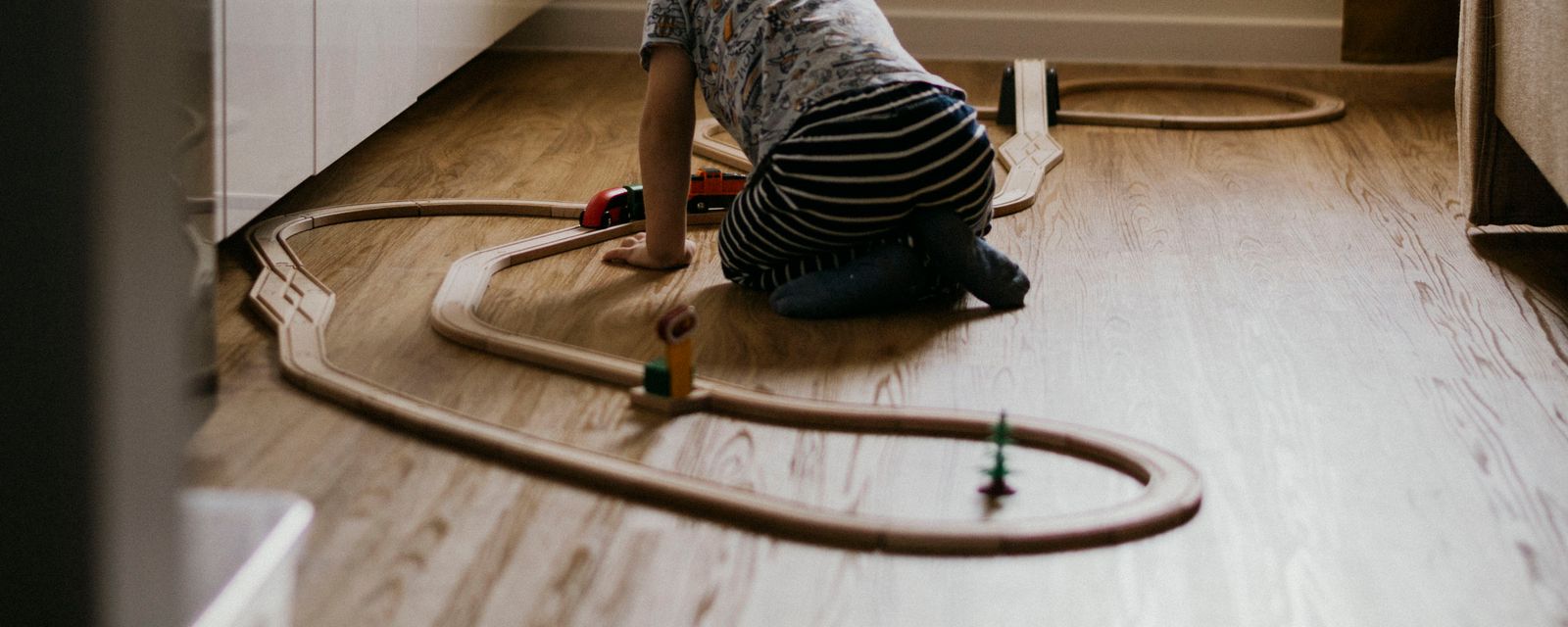
Every floor tells the story of the people who live on it. Pets, children, furniture movement, dirt tracked in from outside, and daily traffic will eventually leave their mark.
Quality flooring and quality finishes absolutely matter and can significantly improve long-term performance. However, even the best floor on the market will develop scratches over time.
The key is selecting a floor whose species, grade, color, and finish work together to make those scratches less noticeable.
Our Recommendation
When helping customers choose flooring, we focus on more than just durability ratings. We help them find a product that matches their lifestyle and expectations.
For busy households with kids, pets, and active daily living, we often recommend:
- Matte or low-gloss finishes
- Floors with natural color variation
- Character-grade wood or textured surfaces
- Mid-tone colors that conceal everyday wear
These choices won't prevent scratches, but they will help ensure your floor continues looking beautiful long after installation.
The Bottom Line
All floors scratch. The difference isn't whether scratches will happen, but how visible they'll be when they do.
Choosing the right combination of species, grade, color, and gloss level can make the difference between a floor that shows every mark and one that continues looking beautiful through years of everyday life.